
About and FAQ
“TàoLùs (forms) are like textbooks, there are well written ones and there are shallow ones. A TàoLù documents the creator’s lifelong experience and methods. Without a good teacher to decode the form, it is just an empty sequence of movements… ”
- Shifu Vincent Mei -
What is Bajíaúan?
八極拳是什麼?
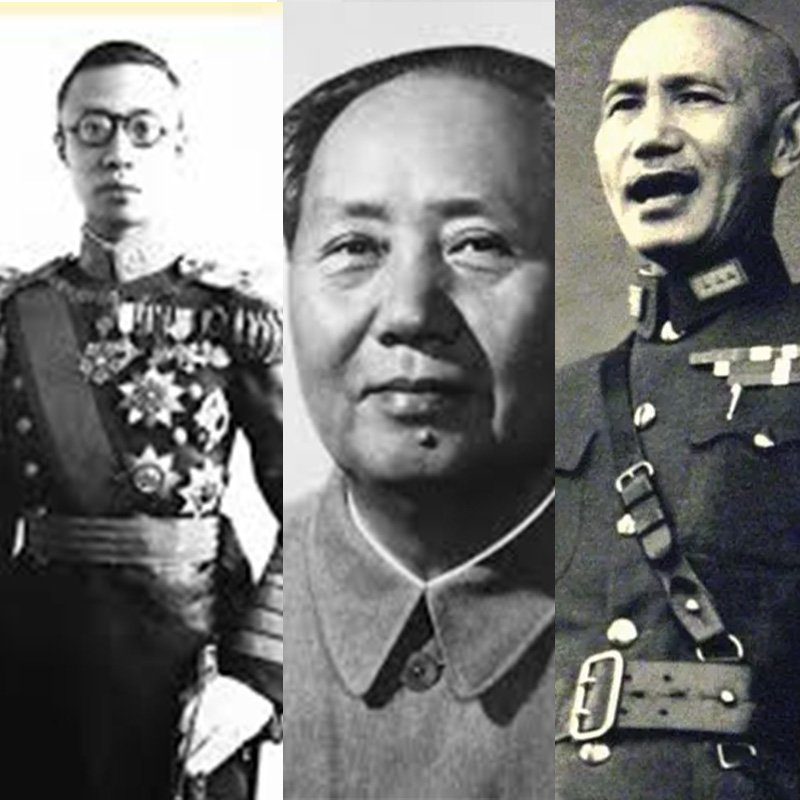
八極拳 Bajiquan is considered one of the most famous Chinese Martial Arts style from Northern China. Traceable record of Bajiquan can be dated back to 1500 AD, Ming Dynasty China. Originated from 河北滄州 CangZou, Hebei province. Bajiquan is known for its explosive and offensive combat nature, and its application in the bodyguard system in the past 200 years. The bodyguard of the last emperor of China, 溥儀 Puyi was a famous Bajiquan master, as well as the communist leader 毛澤東 Mao Tze-Tung, and his rival, 蔣介石 Jiang Kai-Chek of Taiwan ROC, and 7 presidents of Taiwan after him, all have bodyguards who trained in the art of Bajiquan.
How did BajiShu started?
八極塾的創立
As many of you know, I, Sifu Vincent Mei am a disciple of Master Chang-Lin Chen under the Wu Tan Martial Arts Development Center lineage system. I was never a believer of online remote teaching of any martial arts or fitness program. But like many businesses, we were forced to go remote since the pandemic started in 2020. Because of the internet, Wu Tan NJ was able to open up 4 online Zoom classes to students from all over the US, and Europe, bypassing the geographic barrier. Most of all, all of the students, yes, all of them showed promising progress in Bajiquan development! I realized that we are doing something right.
Over time, more and more inquiries about Zoom class piled in, but unfortunately I ran out of time-slots to open up more Zoom classes. Therefore, the idea of teaching through streaming videos came up and hence the birth of Baji Shu.
How does BajíShú Work?
八極塾怎麼運作?
Watch the BajiShu Program Introduction video here.
BajíShú operates similarly to an online university, like the University of Phoenix or NYU Online, with a proven effective training method. The program is subscription-based, offering both monthly and yearly billing options. Cohorts are organized into small groups of 10-20 students. Every week, at a designated time, a new pre-recorded lesson is made available for cohorts to stream and watch at their convenience. Each lesson lasts about 40-50 minutes and includes warm-ups, strength-building drills, lectures, forms, and applications.
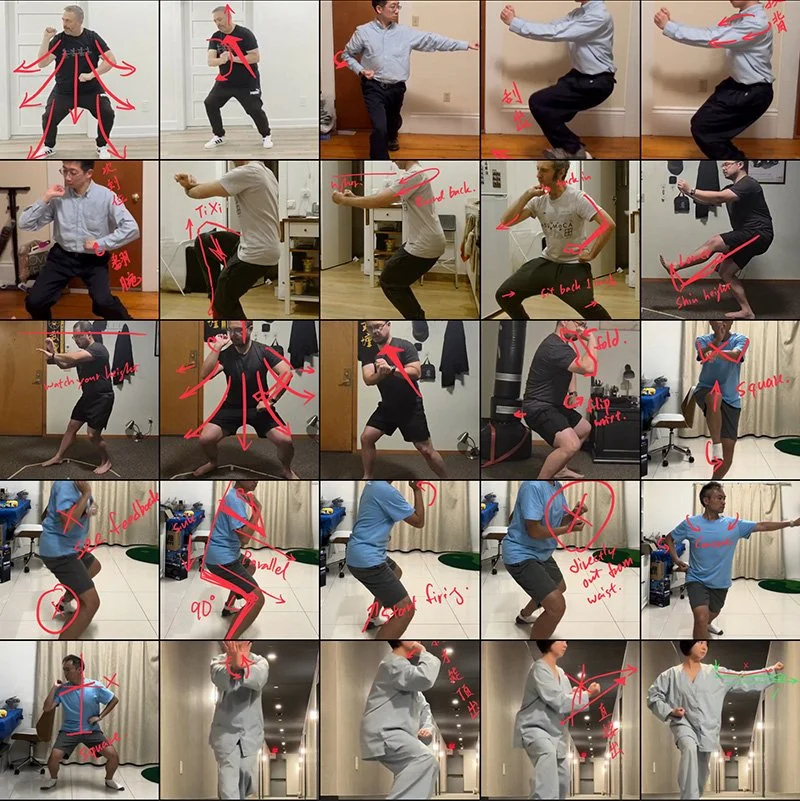
At the end of each lesson, Shifu assigns training homework to the students. They then have one week to practice, record their homework using their phone or any recording device, and upload the videos to a privately shared Google Drive folder by the designated weekly deadline. Shifu reviews all submitted homework videos, takes notes, and provides personalized feedback through a short 5-10 minute video sent to the cohorts. This cycle repeats weekly.
There are several significant advantages to this training method compared to traditional teaching methods, whether in-person or through typical online training:
Flexible Time: Lessons are pre-recorded, allowing students to stream and watch at their convenience.
Self-Examination: By recording and reviewing their own homework videos, students can self-examine and correct mistakes, which is not achievable through traditional training methods or even by practicing in front of a mirror.
Frame-by-Frame Review: Shifu can review students' training homework frame by frame, a level of detail not possible in person. Some Shifu even take screenshots of the exact moment a mistake is made, providing valuable visual feedback for students.
Rewatch-ability: Unlike in-person teaching, where students may struggle to remember the material after class, streaming video lessons allow students to rewatch as many times as they wish.
八極塾的運作方式類似於在線大學,例如鳳凰城大學或紐約大學在線,採用經過驗證過的有效訓練方法。該計劃採用訂閱制,提供每月和每年的計費選項。學員被分成10至20人的小組。每週在指定的時間,將有一個新的預錄課程供學員按需串流觀看。每節課持續約35至45分鐘,包括熱身、力量訓練、講解、套路和應用。
每節課結束時,師父會給學生布置訓練作業。學生需要在一週內練習,並使用手機或任何錄影設備錄製作業視頻,然後在指定的每週截止日期前將視頻上傳到私人共享的Google Drive雲端資料夾中。師父會審查所有提交的作業視頻,做筆記,並通過一個5至10分鐘的短視頻為學員提供個性化反饋。這個循環每週重複。
與傳統的教學方法相比,無論是面授還是典型的在線培訓,這種訓練方法有幾個顯著的優勢:
1. 靈活的時間安排:課程是預錄的,忙碌的現代人可以按自己的時間安排觀看。
2. 自我檢查:通過錄製和查看自己的作業視頻,學生可以自我檢查並糾正錯誤,這是傳統訓練方法甚至是在鏡子前練習所無法實現的。
3. 逐幀審查:師父可以逐幀審查學生的訓練作業,這在面對面教學中是無法做到的。有些老師甚至會截取視頻中錯誤發生的精確時刻的截圖,這對學生來說是非常有幫助的。
4. 重複觀看:與實體教學不同,學生在課後經常會難以記住所教的內容。通過串流視頻課程,學生可以無限次地重複觀看。
Shifu Vincent Mei
梅耀中 老師簡介
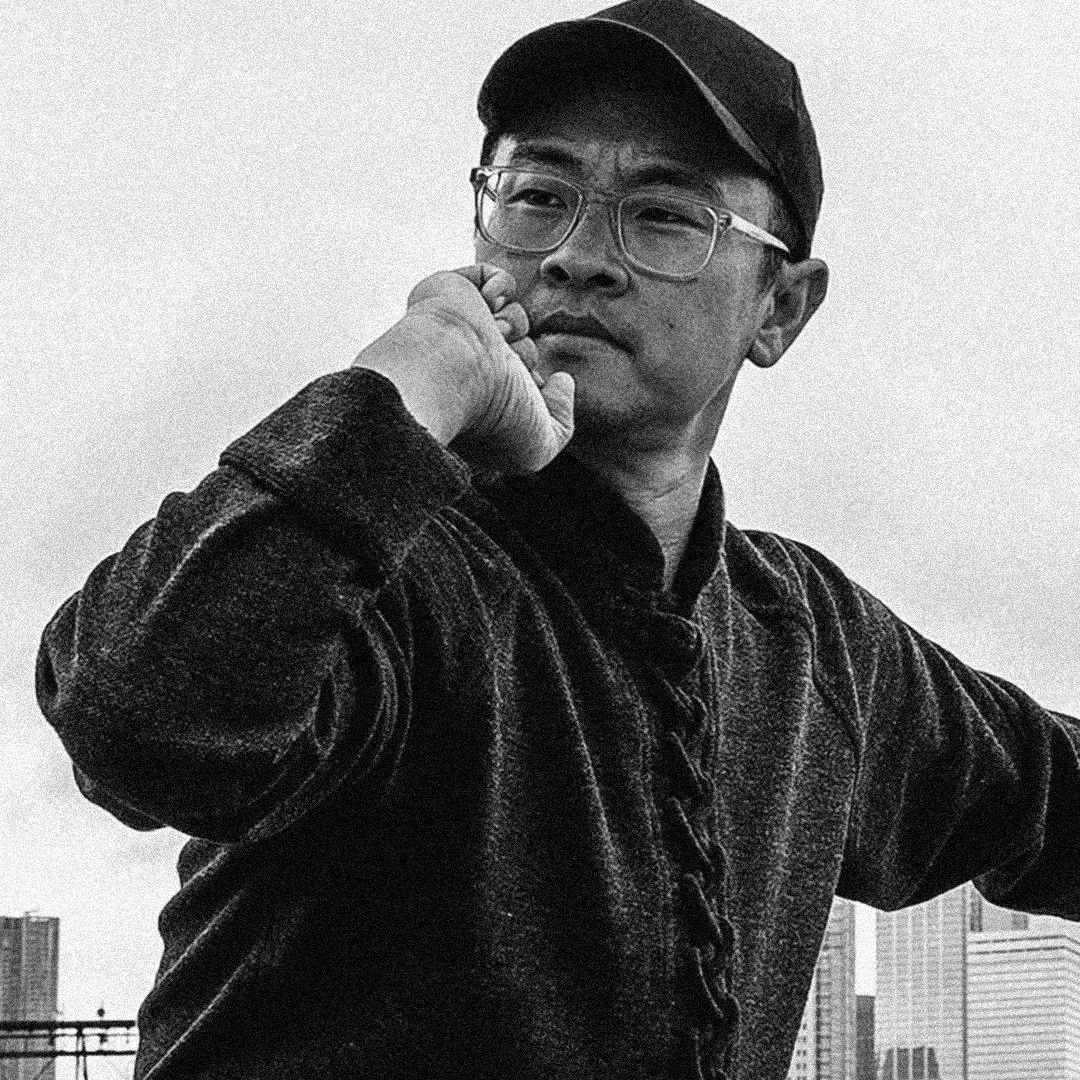
Shifu Vincent Mei began his martial arts journey in high school studying Muay Thai. His path into Traditional Chinese Martial Arts (TCMA) started during college, introduced by his kung fu brother, Paul Yang. This eventually led him to Wu Tan New Jersey, where he met Master Chen Chang-Lin and became his third indoor disciple, training in the powerful lineage of Li Shu-Wen → Liu Yun-Qiao → Chen Chang-Lin.
After Master Chen’s untimely passing in 2005, Shifu Vincent took on the responsibility of preserving his teacher’s legacy. He continued teaching Bajiquan, Pigua Zhang, and Baguazhang under the Wu Tan New Jersey banner in Lower Manhattan, staying true to the integrity of the system.
During the 2020 pandemic lockdown, Shifu Vincent founded BajiShu, a remote training platform that allowed global students to study Bajiquan online through a structured and effective system. In just two years, BajiShu expanded to 10 classes with over 150 dedicated students worldwide, all learning through a modern yet faithful approach to traditional training.
Seeing the potential of technology to preserve entire systems of knowledge, Shifu Vincent co-founded TsángWǔGé, a nonprofit organization dedicated to promoting and safeguarding Traditional Chinese culture. Under TsángWǔGé, the “Shús” represent martial arts academies, while the “Tángs” offer non-combative traditional studies such as Chinese medicine, culinary arts, and internal cultivation methods.
In 2025, TsángWǔGé launched Vault25 New York, a landmark martial arts summit that brought together six masters across five styles in a single, immersive seminar — a true celebration of TCMA excellence.
Shifu Vincent now leads a brilliant team of students and professionals, united by a mission to share these ancient knowledge with the modern world — offering meaningful paths to growth, health, and personal transformation.
Condensed program
濃縮訓練
Traditionally, Bajiquan training would take at a decade or longer to developed decent Bajiquang skills. In the modern days, the martial scene is no longer the same as the old days. It is rare and difficult for general martial arts enthusiasts (non-professionals) to dedicate 10+ years of time to follow the traditional training procedures under a master... We carefully examine the traditional curriculums and training methods, combined with modern training mindset. We designed an optimized curriculum that only teaches the “real stuff”(in which are usually the hard and not so fun stuff) within a condensed training timeline. With the goal to pass down the correct knowledge of authentic traditional Bajiqua,
傳統上,八極拳的訓練需要十年甚至更長時間才能培養出像樣的八極拳技能。然而,在現代,武術界已經與過去大不相同。對於一般的武術愛好者(非專業人士)來說,很難再像過去那樣,花費十年以上的時間在師父的指導下遵循傳統的訓練程序。我們仔細研究了傳統教材和訓練方法,結合現代的訓練理念,設計出一套優化的課程,僅教授“真材實料”(通常是艱難且不那麼有趣的內容),並在縮短的訓練時間內完成。目標是傳承正宗傳統八極拳的正確知識。
Why do we have Pigua, Taiji, Bagua in the Curriculum?
為什麼八極塾的課程裡會有劈掛、太極、八卦?
This is a more in depth question, and I am breaking it down in to a three-part answers:
As mentioned above, Bajishu's martial arts system is based on grandmaster 劉雲樵 Liu Yun Qiao's 武壇 WuTan system martial arts. Grandmaster Liu's personal martial arts journey started from 迷蹤拳 MiZhong Quan, then trained under the great 李書文 Li Shu Wen in the art of Bajiquan, then 六合螳螂拳 LiuHe Mantis and 宮氏八卦掌 Gong style (Yin) Bagua Zhang. There were other fantastic styles such as 杜氏陳氏太極拳 Du's Chen Taiji Quan, 長拳 Long Fist, 形意拳 XingYi Quan, and 通臂拳 Tongbei Quan later on brought into Wu Tan as added curriculums.
Traditional Chinese Martial Arts was the first MMA system, for centuries, it has been promoting the concept of "Mix Martial Arts". It is rare to find a historic grandmaster who only trained in one style of kungfu. TCMA understands and promote the concept of utilizing different style's training and application characteristics to compliment one another.
For example, Bajiquan's foundation training builds power, but during the process of building power, one can develop stiffness. Therefore we use 劈掛掌 Pigua Zhang, a system that is completely opposite to Bajiquan to "soften" and make the trainee's body more flexible and agile. Then, to put extra focus on the development of 纏絲勁 Silk Reeling Strength of Bajiquan, we utilize a style that is all about Silk Reeling -- 太極拳 Taijiquan. With the unique hyper slow movement of Taijiquan, one can understands and develops the so called 整勁 Integrated Power, by moving the entire body as one whole.
Essentially, the Bajishu program was carefully designed to speed up the development of Bajiquan by using unique training methods from different styles.
Who is BajiShú for?
什麼人適合加入八極塾?
Basically anyone who has a passion in TCMA, for all ages and gender. Bajiquan’s biomechanics is complementary to other styles and even sports and dance arts. However, training is intensive on the lower body strength development, especially on the knees. If you have previous knee injuries, please notify Tsáng Wǔ Gé admin before begin lessons.
基本上,任何對中國傳統武術(TCMA)有熱情的人,無論年齡和性別,都可以參與。八極拳的運動力學可以與其他武術流派、甚至是運動和舞蹈藝術相輔相成。然而,八卦掌訓練對下肢力量的發展要求很高,特別是對膝蓋。如果您有過膝蓋受傷的經歷,請在開始課程前通知藏武閣的管理人員。
Is Bajiquan practical?
八極拳能實戰嗎?
Bajiquan is known to be one of the most practical, offensive-driven TCMA style. But if there is one disadvantage to online training, it would be application. Sifu Vincent believes that application plays a crucial part to develop a correct frame work, biomechanics, as well as mental-intent issuing. Through the video lessons, Sifu Vincent will always teach applications for every movement, and will upload 2-men training drill videos.
八極拳被公認為最具實用性、以進攻為導向的傳統武術之一。然而,若說線上訓練有什麼缺點,那便是在技擊應用方面。Vincent 師父認為,技擊應用在建立正確的架構、身體力學,以及意念發勁上都扮演著關鍵角色。透過影片課程,Vincent 師父會為每一個動作講解其應用,並持續上傳雙人對練的訓練示範影片。
What to expect at the end of the program?
八極塾課程上完預期成果
Throughout the 2 year curriculum, we called this the Phase 1 program, students will be trained in Zhong Yi Quan, Da Baji, Pigua Zhang, Chen's Taiji, XiaoBaji, and a few other extra curriculums such as Miao Dao, Jian, and 2-men practice drills (partners not included). Students will developed strong lower body strength and be able to generate power and apply that energy through Baji biomechanics, AKA FaJin. At the end of the Phase 1 program, there's an optional Phase 1, Level One exam, in which is required to be able to advanced into the Phase 2 program, in which will be another 2 year curriculum that goes into the deeper study of Bajiquan, Pigua, and with the introduction of Bagua Zhang.
There's also the invitation only Phase 1, Level Two exam, which the selected individuals would to be granted to teach the material shall they pass the exam. The Level Two exam standard is a lot stricter than Level One.
What is Tsáng Wǔ Gé?
藏武閣是什麼?
Do you love traditional martial arts? Do you feel they are slowly fading into history?
Traditional martial arts are in decline, and rival schools often look down on and undermine each other. So even though many people love martial arts, the martial arts community, the wulin 武林, cannot unite. Its strength is scattered, and teachers and coaches are left to teach quietly on their own. As a traditional martial artist, I feel a strong sense of mission. Drawing on my years of running a marketing company, I am copying the successful model of Baji Shu to other excellent styles. By partnering with leading traditional masters and using the technology of our generation, we can build a sustainable framework for passing down traditional martial arts.
That is how Tsang Wu Ge 藏武閣 was born!
Tsang Wu Ge is modeled on the Central Guoshu Institute of the past: it brings together masters from many schools under one roof, with one shared purpose. Our goal is to rebuild a sustainable wulin. It will be free of insults between schools and of masters holding back their knowledge, and no one will spend ten years just to learn a single technique. It will be organized, run with professional branding, and in step with the times!
Tsang Wu Ge starts online. Our basic goal is to establish correct training methods and a sound understanding of traditional martial arts. We aim to develop more talent and to grow the market for traditional martial arts. We will not overlap or compete with traditional ways of teaching. Instead, the two will support each other.
After founding Baji Shu in 2022, we partnered with Master Han Ji-Xiang of Han Men Wu Ji in 2024 to launch Changquan Shu. It lets people around the world study authentic Changquan (Long Fist) in a structured way. This is not the exaggerated Long Fist of performance wushu, nor the Long Fist treated only as a beginner's training set. It is a deep, traditional martial art with real combat value. Since then, we have worked with leading traditional masters to launch Hung Ga Shu, Bagua Shu, QiXing Mantis Shu, Chow Ga Mantis Shu and Xī Yì Shú, each a complete system of a traditional Chinese martial art. Tsang Wu Ge will also offer related electives, such as Ben Cao Tang (Chinese Herbal Medicine), Zhen Jiu Tang (Acupuncture) and Wu Yu Tang (Martial Language). These electives complement the training in each Shu and support Tsang Wu Ge's ultimate goal: preserving traditional martial arts and promoting the culture behind them!
I believe Tsang Wu Ge will be a turning point that changes the martial arts world. Our team needs startup funding to cover early preparation and six months of operating costs. If you, our seniors in the martial arts community and fellow practitioners, share Tsang Wu Ge's vision, please give generously. Every contribution counts, and every little bit adds up! We also welcome your ideas and introductions to people who could help. Thank you all for your support!
The website linked below has a video with the full project details and information on how to donate:
www.tsangwuge.com/take-action
你喜歡傳統武術嗎?你覺得傳統武術正在慢慢的走入歷史嗎?
由於傳統武術的勢微及門派間的互相鄙視和扯後腿現象,即便熱愛武術的人雖多,但「武林」卻無法團結,導致力量分散,各家老師教練們只能各自默默教學傳授。身為傳武人的我,感受到一股使命感,利用我多年經營行銷公司的經驗,將八極塾的成功運作模式複製到其他優良拳種;與頂尖的傳武老師合作,利用我們這個世代的科技優勢來為傳武的傳承設立一個永續框架。
「藏武閣」因此而誕生!
藏武閣以當年「中央國術館」的概念為基礎,萬眾一心,將各家高手齊聚一堂。藏武閣的目標是重新創建一個能永續發展的「武林」,一個沒有相互謾罵、師父拿藝、十年練一劍的「武林」,一個有組織性、有品牌經營手法、一個能跟時代接軌的「武林」!
藏武閣從網路開始,以建立正確傳武訓練的方法及觀念認知為基本目標。「藏武閣」的推廣方式志在儲備更多傳武的人才資源,拓展傳武的市場潛力,並不會與傳統的傳授模式產生重疊或衝突,只會相互助益。
我們從2022年最先成立的「八極塾」之後於2024年與「韓門武集」的韓基祥老師合作推出「長拳塾」,讓全世界能有系統地學習正統的「長拳」。這不是武術表演中動作誇張的長拳,也不是只能當作初級練習套路的長拳;而是有深度、有技擊價值的優良傳統武術。繼「長拳塾」推出之後,我們陸續與各家頂尖傳武老師合作,推出「洪家塾」、「八卦塾」、「七星螳螂塾」、「周家南螳螂塾」、「心意塾」等優良傳統國術拳種體系。除此之外,藏武閣也會提供許多相關選修課程,如:「本草堂」、「針灸堂」、「武語堂」等。這些選修課將與各「塾」的研習相輔相成,進而達到「藏武閣」傳承傳統武術及推廣文化的終極目標!
我相信「藏武閣」將會是改變武林生態的轉淚點。我們的團隊需要一筆啟動資金來支持前期準備到六個月的運作資金。如果各位武林前輩和同好武友認同「藏武閣」的理念,請慷慨解囊。無論多少,只望積少成多!我們也歡迎各種意見和人脈介紹,感謝大家的支持!
以下的連結網站有更詳細的企劃說明影片與捐款方式:
www.tsangwuge.com/take-action
For any questions, email TsandWuGe administrator at: admin_vmei@tsangwuge.com
The Martial Culture Vault
Tsáng Wǔ Gé is a certified 501-C(3) non-profit organization with tax-exemption status. We are on a mission to preserve and promote the quality of Traditional Chinese Martial Arts (TCMA) in all its aspects, to the world. Help us preserve this incredible knowledge by making a donation.