一個教八極拳的私塾
A Bajiquan Academy.
THE MOST AGGRESSIVE STYLE OF CHINESE MARTIAL ARTS
The “龍 Dragon” Group Registration is FULL!
CLASS BEGINS ON JULY 27 TH
What is Bajíqúan?
Bajiquan is regarded as one of the most renowned martial arts styles from Northern China. Historical records trace the art back to around the 16th century during the Ming Dynasty, with its origins in Cangzhou, Hebei Province. Bajiquan is known for its explosive, direct, and highly offensive combat nature, and for its prominent role in professional bodyguard systems over the past two centuries.
The personal bodyguard of China’s last emperor, Puyi, was a noted Bajiquan master. Practitioners of this art also served as bodyguards for Communist leader Mao Zedong, as well as his rival, Chiang Kai-shek of the Republic of China. In fact, the bodyguards of Chiang and the seven presidents of Taiwan who followed him were all trained in Bajiquan.
八極拳被認為是中國北方最著名的武術之一。根據歷史記載,八極拳可追溯至約十六世紀的明代,起源於河北省滄州地區。八極拳以其爆發性強、進攻性直接的實戰風格著稱,並在過去兩百年的保鏢體系中扮演重要角色。
中國末代皇帝溥儀的貼身侍衛,便是一位著名的八極拳高手。此外,中共領導人毛澤東,以及他的對手、中華民國領袖蔣介石的隨扈,也都有修習八極拳。自蔣介石之後,歷任七位台灣總統的隨扈體系中,亦多有八極拳的傳承與訓練。
Remote Learning that Works
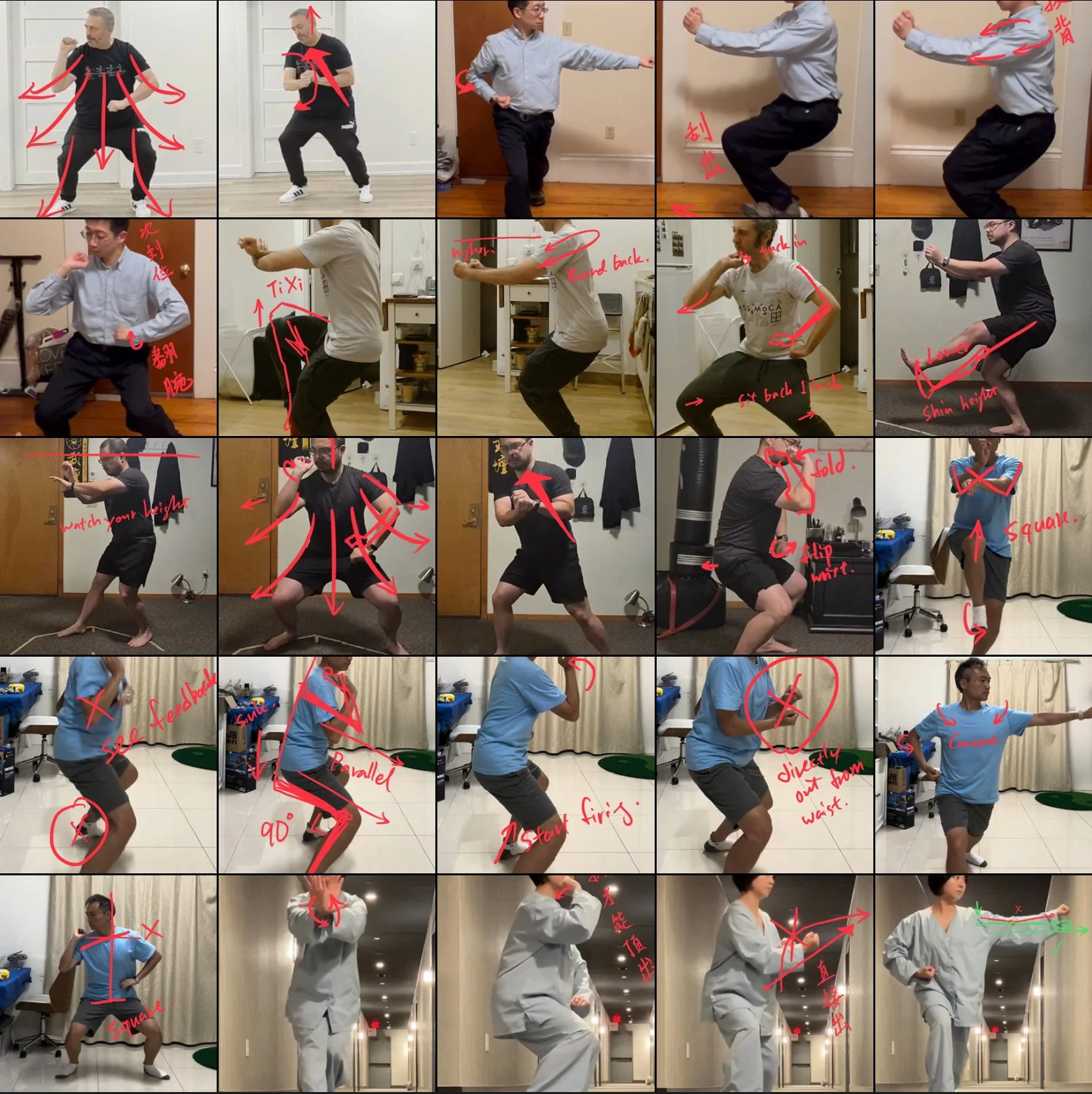
By using online streaming technology, we eliminate geographic and time limitations. Paired with our unique and unconventional method of providing personalized feedback, we can spread this incredible knowledge to every corner of the world!
利用即時網路影片與獨特的練習反饋方法來排除地域與時間的限制,將這一門老祖宗的智慧得以傳播到世界的每一個角落。
BajíShú Curriculum
BajiShú’s Bajiquan training system is inherited from Grandmaster Liu Yun-Qiao’s WuTan method and has been carefully redesigned to make traditional Bajiquan development more efficient and accessible. By integrating cross-style training methods, the program takes advantage of each art’s unique strengths to accelerate the development of essential body mechanics.
For example, Pigua Zhang is trained to enhance sōng jìn (relaxed power) and dynamic footwork, while Chen-style Taijiquan is included in the curriculum to develop chán sī jìn (silk-reeling power) more efficiently than attempting to obtain it through Bajiquan training alone. In this way, each component of the system supports and strengthens the core principles of Bajiquan.
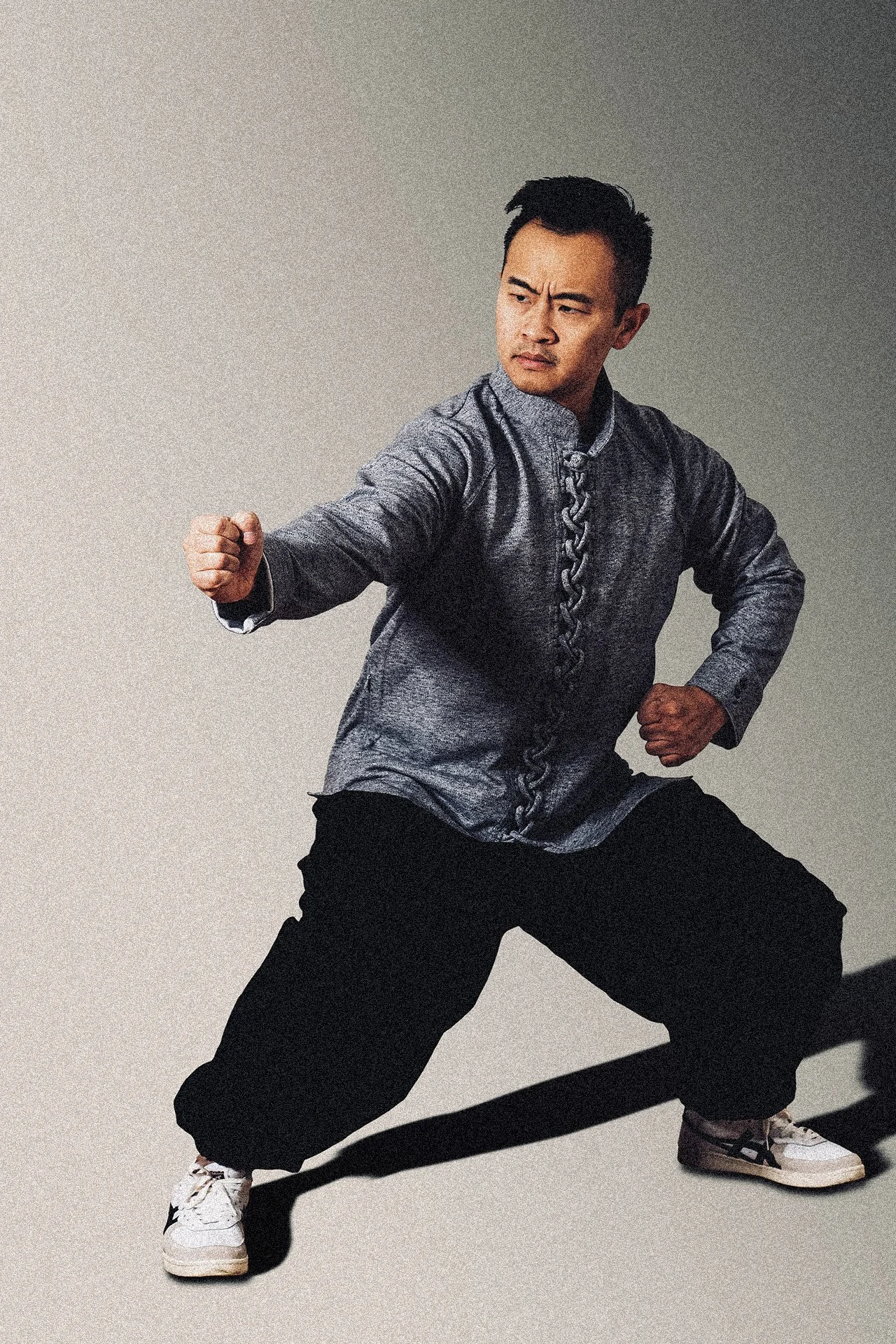
PHASE 1
忠義拳
Zhong Yì Qúan
Zhong Yi Quan (忠義拳) is a short-form sequence created specifically for the Republic of China (Taiwan) military. It was a collaborative effort among several of the era’s top grandmasters, including:
Bajiquan — Liu Yun-Qiao (劉雲樵)
Shuai Jiao — Chang Dong-Sheng (常東昇)
Xingyi Quan — Sang Dan-Qi (桑丹綮)
Bagua Zhang — Gong Bao-Zai (宮寶齋)
Praying Mantis — Wei Xiao-Tang (魏笑堂)
Although Zhong Yi Quan is a relatively simple form, its lineage of distinguished creators gives it remarkable depth. The sequence contains a wide range of training elements, including structural development, internal mechanics, strength conditioning, fajin, and practical, military-oriented applications. It can even be practiced with a bayonet.
Compared to Xiao Baji, Zhong Yi Quan is safer and more accessible for beginners, especially for the knees, since Bajiquan places significant demands on lower-body strength and conditioning. In my opinion, it is an excellent entry-level form to prepare trainees for the study of Bajiquan.
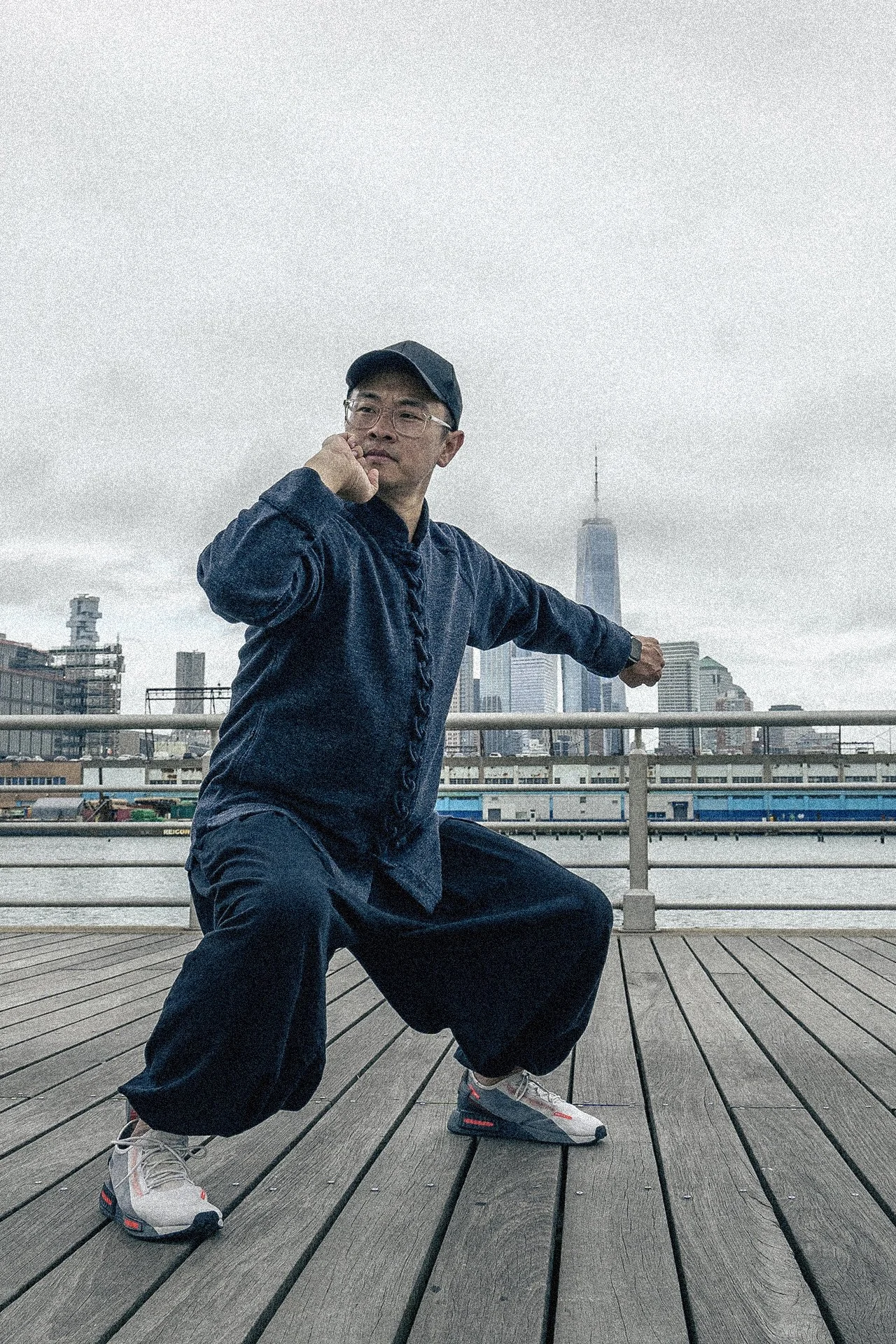
PHASE 1
大八極
Dà Bají
After building a thorough and solid foundation through Zhong Yi Quan, students advance to Da Baji (大八極) training. At this stage, practitioners begin to experience the deeper aspects of Bajiquan, including the use of structure, the introduction of fajin (發勁), and, most importantly, the development of Chansi Jin (纏絲勁)—silk-reeling power.
During the Da Baji phase, students are also introduced to practical applications (yòngfǎ, 用法), as well as the core combat concepts and methods (xīnfǎ, 心法) that define Bajiquan’s fighting approach.
Traditionally, Da Baji is taught after Xiao Baji (小八極). In this curriculum, however, the sequence is intentionally reversed. This design helps build the trainee’s mental readiness and structural foundation, allowing them to fully absorb Xiao Baji after completing the four stages of training.
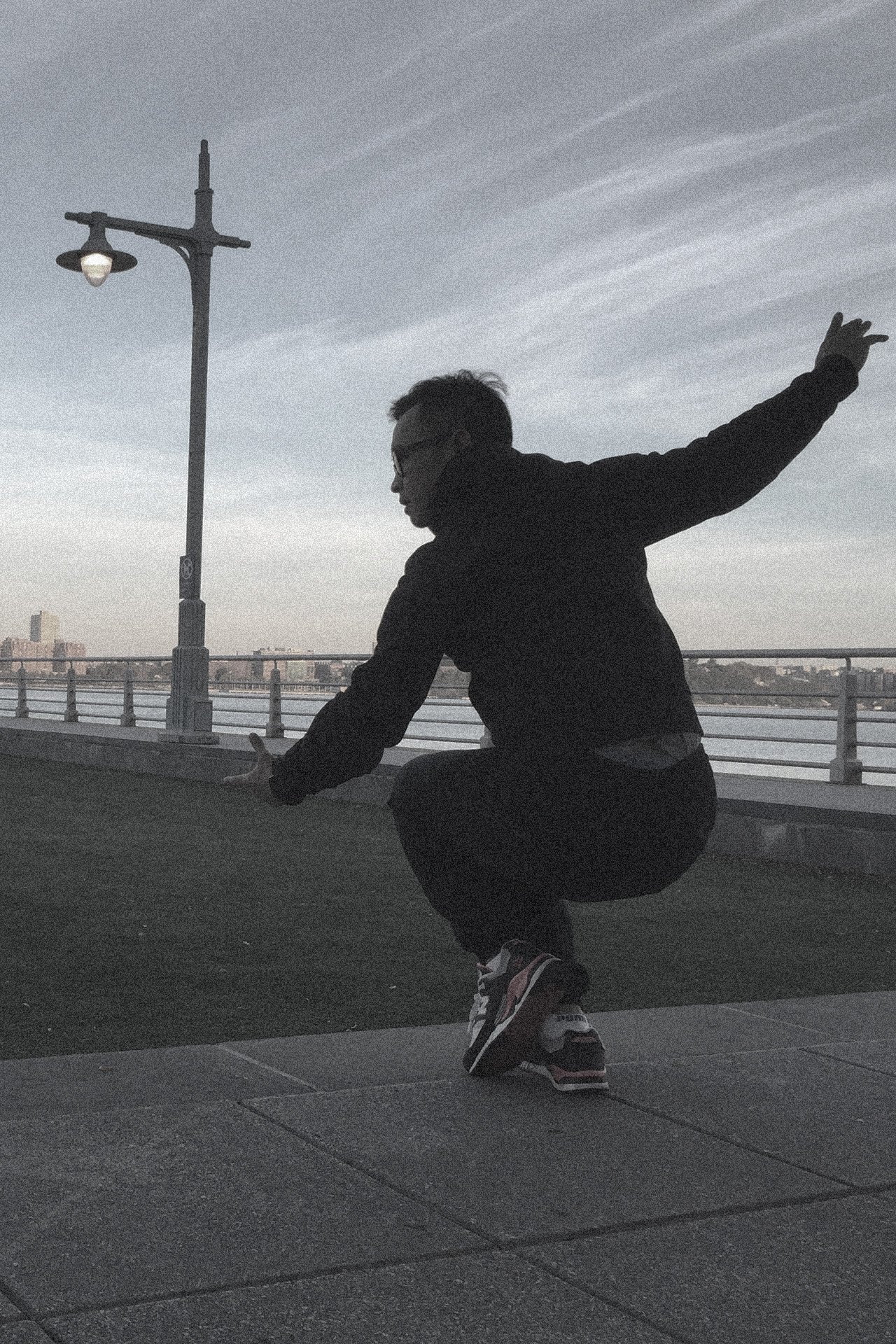
PHASE 1
劈掛一趟
Pigùa YiTàng
Pigua Zhang (劈掛掌) is an ancient Chinese martial art that can be traced back to pre-13th-century China. It employs “whip-like” body mechanics to generate high-speed, snapping attacks, paired with agile and versatile footwork.
Pigua Zhang is often described as the perfect complement to Bajiquan, because many of its characteristics are the opposite of Baji. Its body mechanics, methods of fajin, footwork, combat tactics, long-range striking, and seemingly structureless flow provide a strong contrast to Bajiquan’s compact, direct, and heavily structured approach.
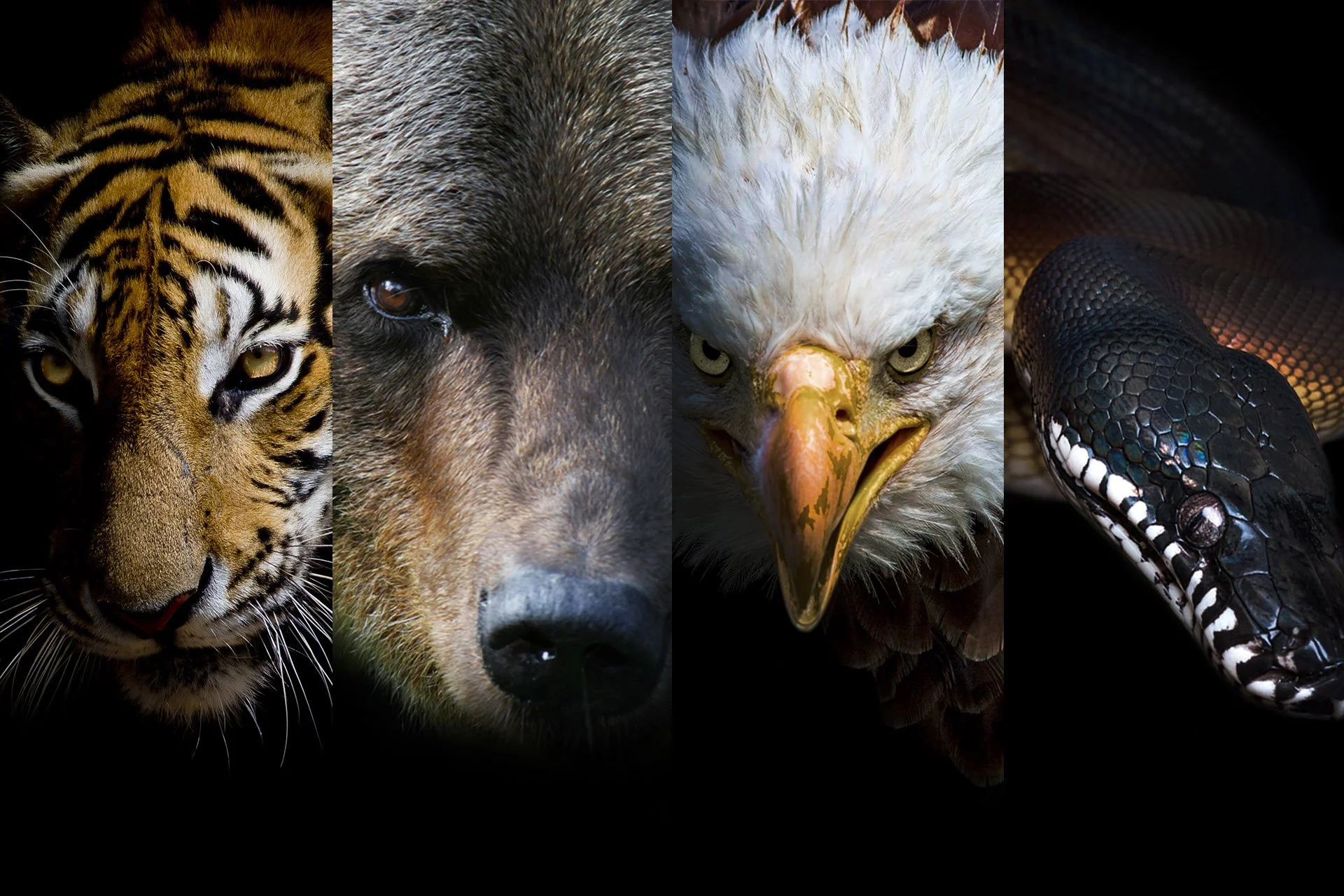
If Bajiquan’s qualities can be symbolized by the Bear and Tiger (熊虎), then Pigua Zhang can be represented by the Eagle and Snake (鷹蛇).
In this stage of training, students are asked to temporarily set aside their Bajiquan habits and retrain the body to move in a completely different manner. By adopting Pigua Zhang’s soft, dynamic mechanics, practitioners can stimulate and enhance the intensity of their Bajiquan fajin while also improving overall agility and fluidity.
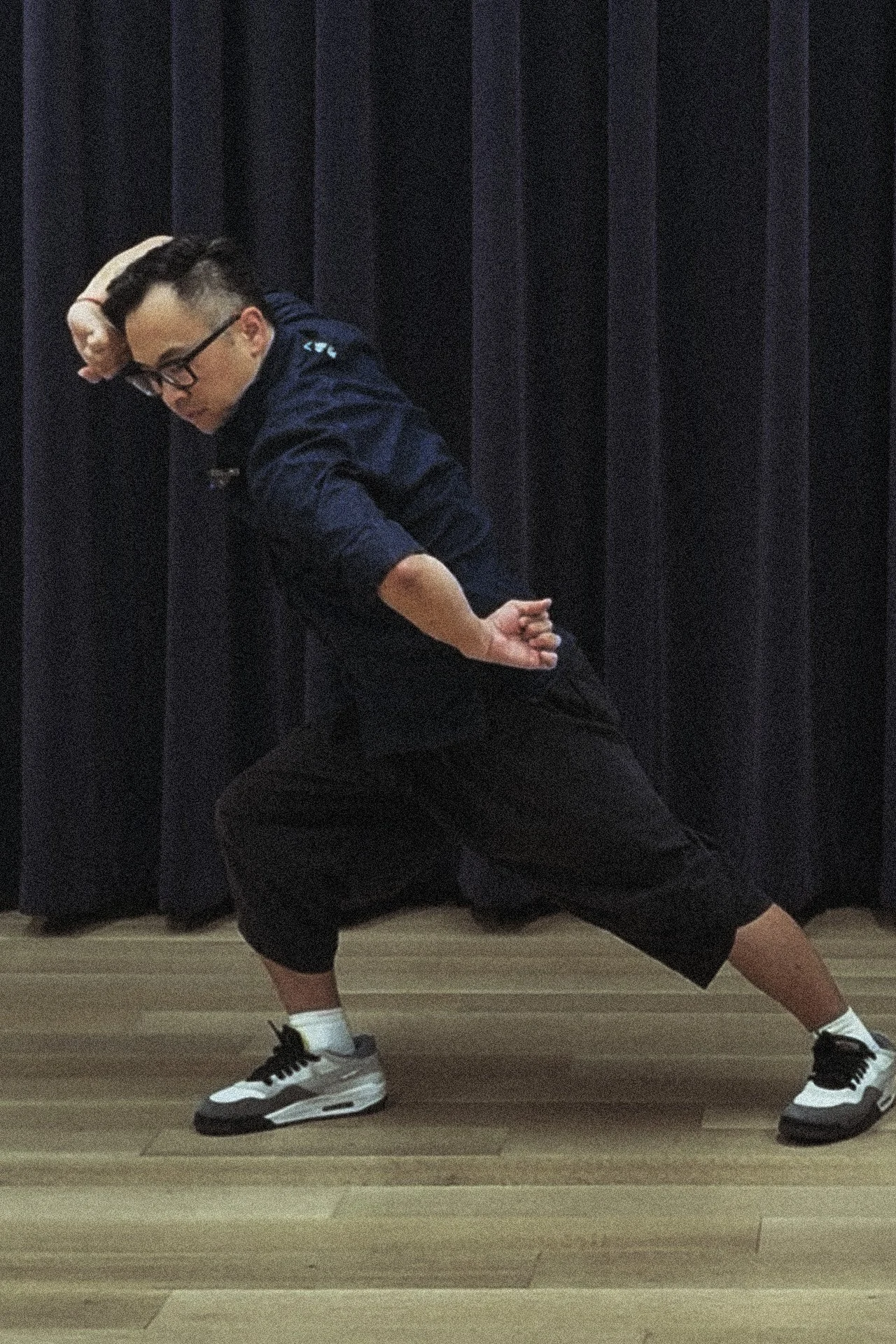
PHASE 1
陳太極老架
Chen’s Taiji Lǎo Jìa
In the 1970s, Grandmaster Liu Yun-Qiao (劉雲樵) preserved an old-school Taijiquan lineage from his close friend, Grandmaster Du Yu-Ze (杜毓澤). Through an exchange of disciples between the two masters, these traditional methods were successfully transmitted and preserved to this day.
At this stage of training, rather than returning immediately to the Bajiquan track, students are introduced to another martial art: the Chen Taiji Old Frame Simplified 32 Form (陳氏太極拳老架32式). This form offers specialized training elements that are less emphasized in Bajiquan and Pigua Zhang.
Chen Taiji is used here to “glue” together the two extremes—Bajiquan and Pigua Zhang—with the goal of accelerating overall Bajiquan development. Taiji’s deep training in Chansi (纏絲, silk-reeling), Song–Jin (鬆緊, relaxation and tension), Kai–He (開合, opening and closing), Tun–Tu (吞吐, swallowing and spitting), and Yin–Yang transitions (陰陽轉換) allows the essence of Pigua Zhang to integrate smoothly with Bajiquan’s structure and power expression.
In this way, the system uses Taiji as a bridge, harmonizing contrasting mechanics and creating a more complete and efficient developmental path.
PHASE 1
小八極
Xǐao Bají
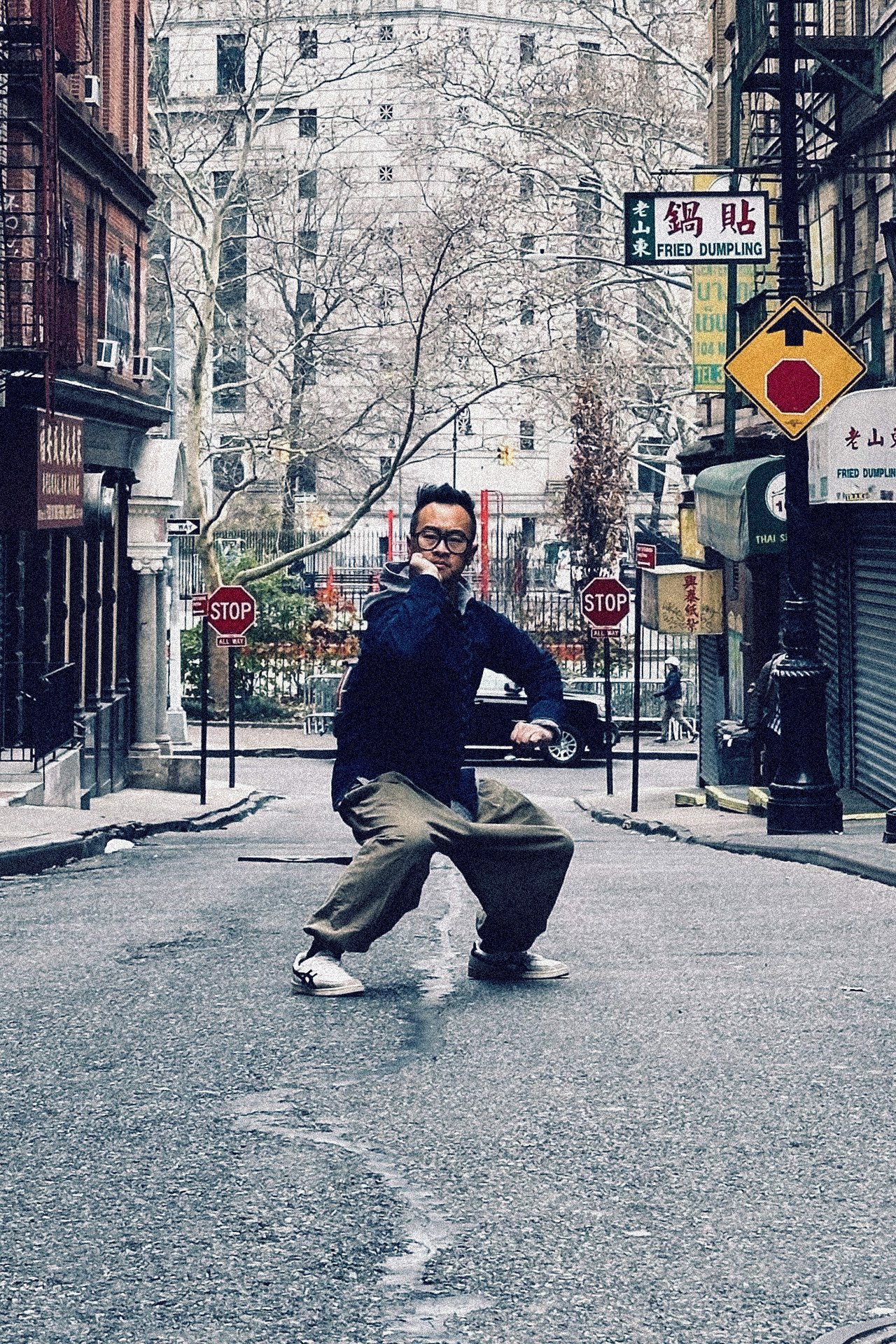
There's a saying: "the most important form in any martial arts system is usually the first form being taught...". This is definitely a true statement in the Li Shu-Wen > Liu Yun-Qiao lineage Bajiquan. Xiao Baji 小八極 is the most important form in our Bajiquan system. It is typically taught as the first entry level form in every Bajiquan linages, and because of that, it is often being neglected, or not taken seriously, and not fully optimized in its function and purpose.
By training Zhong Yi Quan, Da Baji, Pigua Zhang, and Chen Taiji prior to this fundamental form, students will have a clear understanding of the need for Xiao Baji, and be able to 100% absorb everything that XiaoBaji has to offer!
Testimonials
-
![Yee's HungGa Sifu Sharif Anael-Bey]()
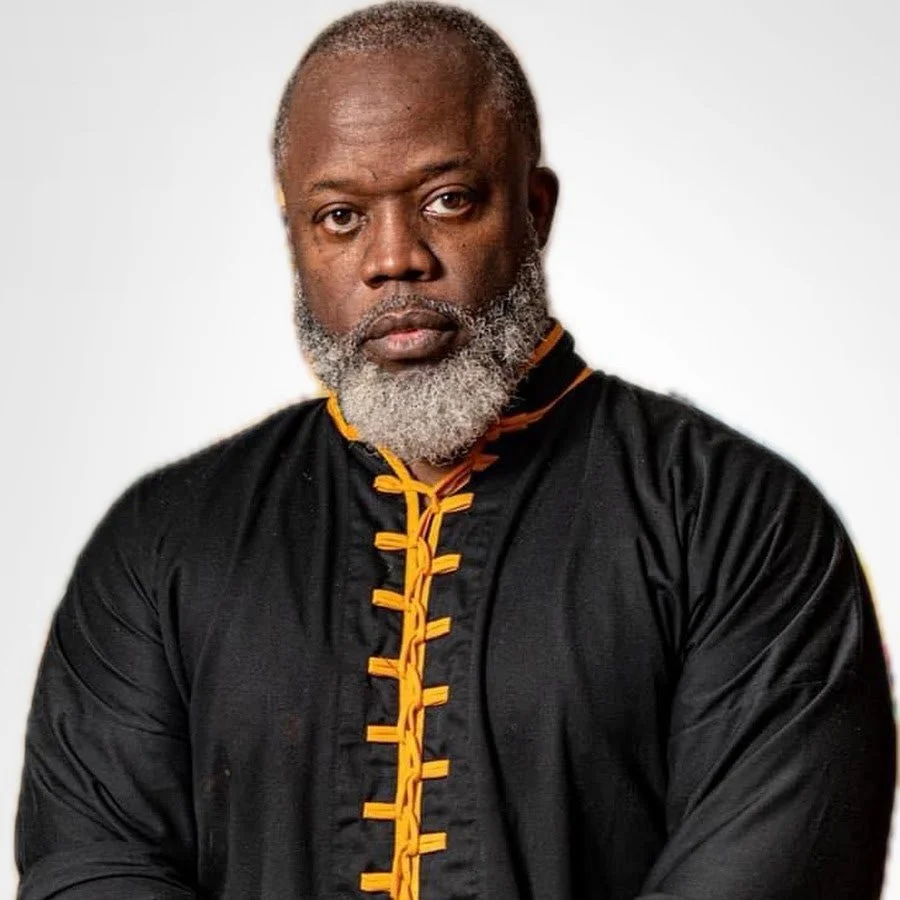
Sifu Sharif Anael-Bey
WORLD VICE CHAIRMAN
YEE’S HUNG GA INTERNATIONAL KUNGFU ASSOCIATIONMaster Vincent Mei is a longtime expert practitioner and instructor in the Eight Ultimates (Ba jiquan) Martial Arts system, and the creator of the Tsang Wu Ge Online Distance Learning platform. This platform combines elite-level instruction from various Chinese Martial Arts styles with high-level production and marketing to provide top-notch distance learning experience.
Participating in the program as an instructor has greatly increased my student base and public footprint, to the benefit of my personal business and increased recognition and respect of my school, my Sifu, and my system. I’m extremely grateful to Master Mei for the opportunity, his professionalism and his creative leadership.
-
![Brendon Huor Stunt]()
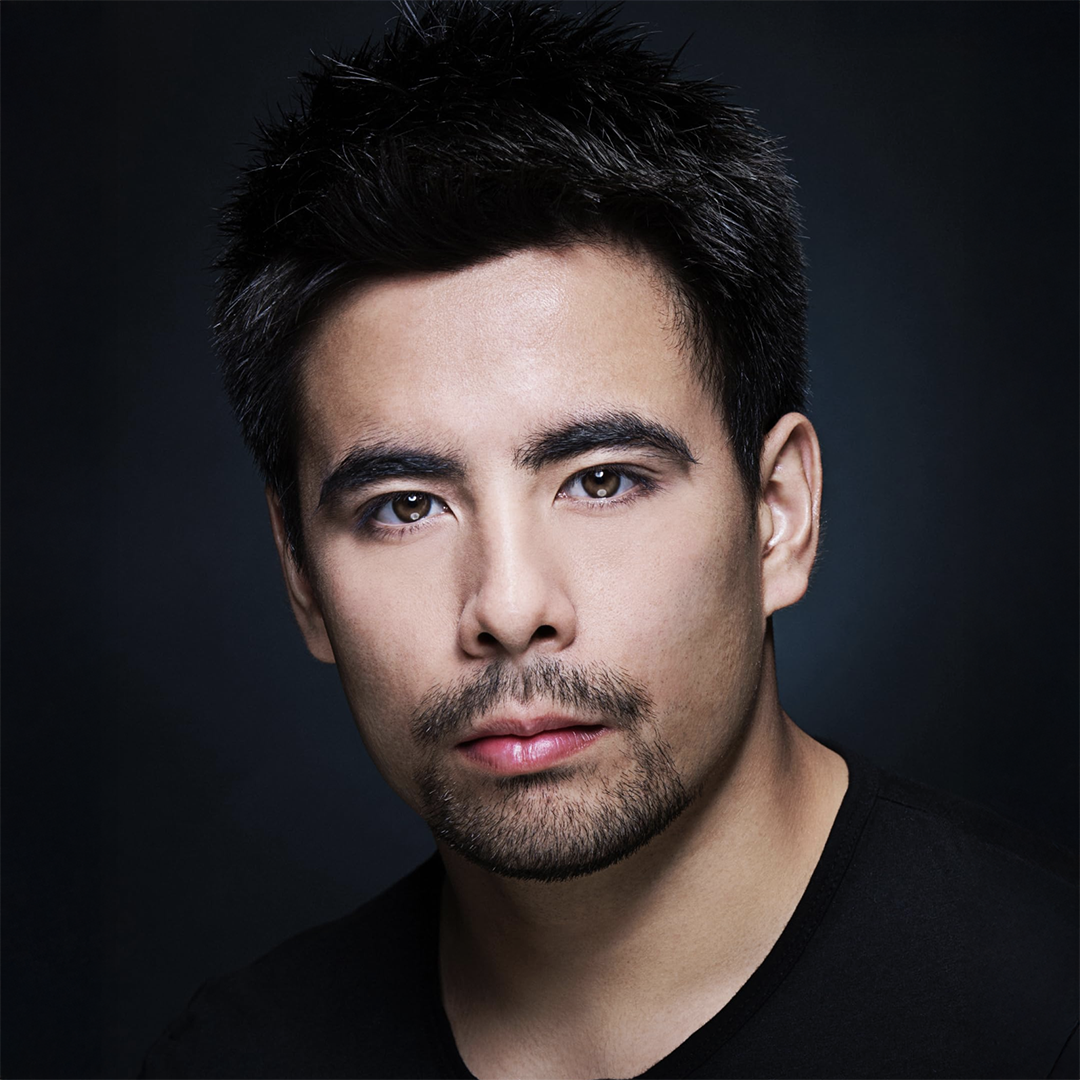
Brendon Huor
STUNTMAN
ACTOR
Training under Vincent Shifu in his online Baji class has been an eye-opening experience. It’s deepened my understanding of Chinese martial arts and even improved how I approach other systems I’ve trained in.The weekly assignments keep me accountable and consistently progressing, while his clear breakdown of concepts makes the material easy to absorb—even in an online format!
As a professional martial arts choreographer, I especially appreciate his focus on application. The way he connects form to function gives me insights I can directly use in my work.
Living somewhere without access to this kind of training, the online format has been invaluable. I’d highly recommend this class to anyone serious about their martial arts development.
-
![Mark Cheng Tai Chi]()
Dr Mark Cheng
PHD OF TCM, L.Ac
TAICHI CHUAN INSTRUCTOR
Vincent Mei is one of the best and brightest to teach traditional northern Chinese martial arts today. His delivery of multi-faceted, often esoteric material is crystal clear and precise, leaving nothing to conjecture.That teaching skill, coupled with tremendous physical abilities and controlled movement, shines through in his delivery of the powerful Ba Ji Quan system in his online learning platform - Ba Ji Shu.
For anyone who wants to learn more about the highly respected Ba Ji system, whether a total neophyte or an expert with decades of experience in other arts, the Ba Ji Shu is incomparable in its pedagogical value. As a lifelong martial arts enthusiast, practitioner, researcher, and writer myself, I can't endorse this strongly enough!
-
![Wing Chun Kung Fu Robert Chu]()
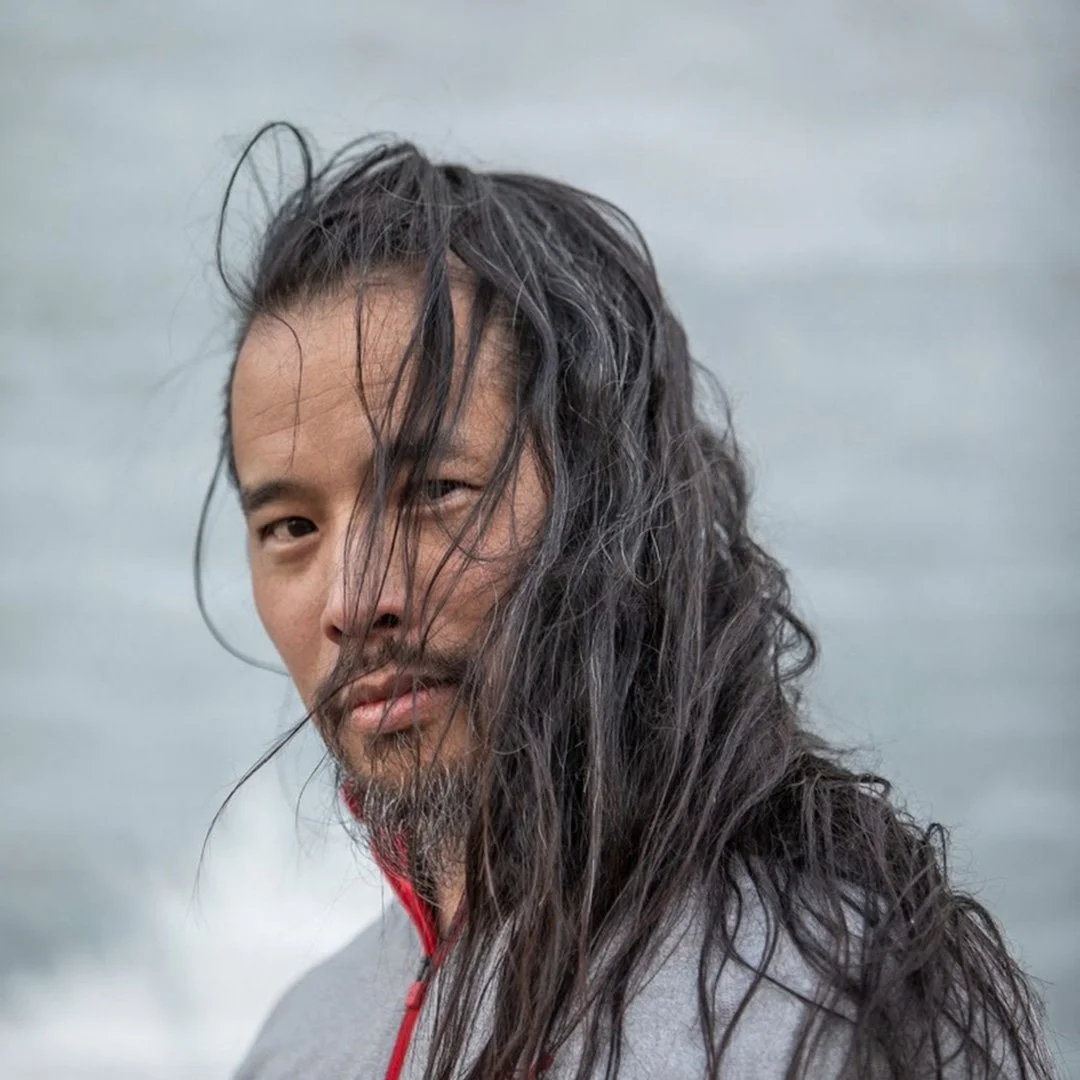
Dr Robert Chu
WING CHUN GRANDMASTER
PHD, of L.Ac
Shifu Vincent Mei’s BajiShu Online remote learning is a triumph in disseminating his beloved system of Ba Ji Quan. He is a thorough instructor who focuses on drills and practical application, as well as power development in his art. He makes available a platform for detailed interactive instruction and corrections, plus drills and homework which allow you to develop and grow in the art. I highly recommend his course to anyone wanting to learn the nuances and fine points of this powerful martial art.
Tsáng Wǔ Gé is a certified 501-C(3) non-profit organization with tax-exemption status. We are on a mission to preserve and promote the quality of Traditional Chinese Martial Arts (TCMA) in all its aspects, to the world. Help us preserve this incredible knowledge by making a donation.